How Weight-Loss Culture and Overmedication Are Hurting Our Kids — and How Neurofeedback Helps Them Heal
When teens learn to regulate their brains, they finally learn to breathe again.
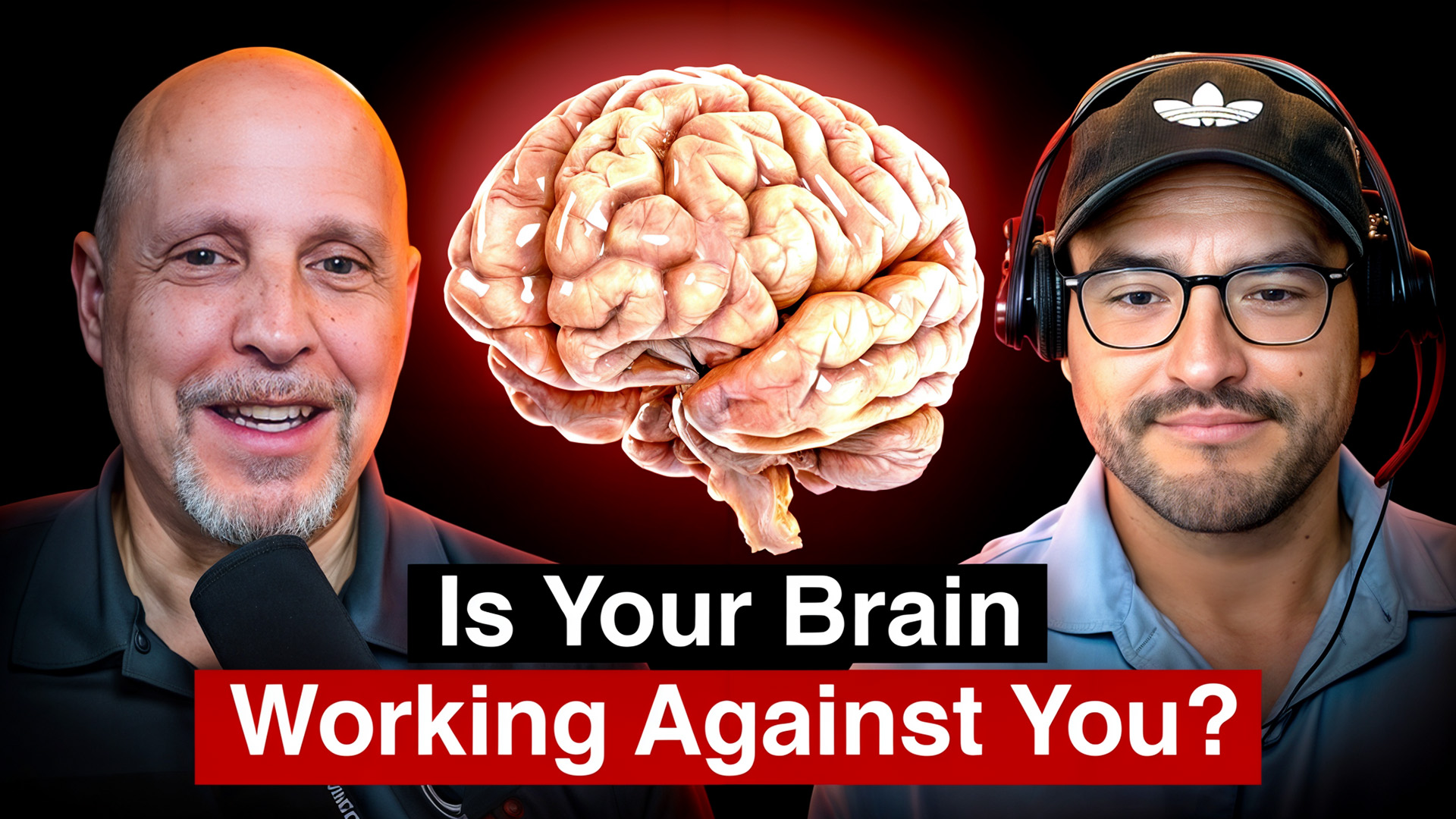
In this Real Brain Talk episode, Dr. Guy and Dr. Ken sit down with Alice Chernock, a licensed professional counselor and certified eating disorder specialist from Alabama whose passion for teenagers is both contagious and deeply compassionate.
Alice has spent more than 20 years helping adolescents navigate anxiety, body image distress, eating disorders, perfectionism, and the crushing pressure of today’s achievement-driven culture. She knows their world — and speaks their language.
Her story explores how weight-loss trends, misdiagnoses, social pressures, and overmedication collide to shape today’s youth… and how neurofeedback has become one of her most transformative tools for helping teens reclaim balance, confidence, and emotional strength.
Key Themes & Insights
“We Have a Stressed-Out Generation of Teenagers.”
Alice describes the modern teen as overwhelmed and overstimulated. Academic pressure, social media comparison, performance-oriented sports, and unrealistic beauty standards are pushing kids toward chronic anxiety and emotional shutdown.
Many turn to disordered eating or compulsive habits as coping mechanisms — not because they want control, but because they don’t know another way to regulate their distress.
Eating Disorders Don’t Start With Food — They Start With Pain
Alice explains that eating disorders are a biopsychosocial condition. They often begin with:
- Family patterns or genetic predisposition
- Trauma or unmet emotional needs
- Perfectionism, anxiety, or OCD tendencies
- Harmful comments from parents, relatives, or coaches
- Cultural ideals that glorify thinness
“It’s not about what you’re eating,” Alice says. “It’s about what’s eating you.”
When Overmedication Becomes Part of the Problem
Alice sees teens placed on stimulants, antidepressants, and anxiety medications as a first line of treatment — often without addressing root causes.
For eating-disorder clients, stimulants become especially dangerous:
- They suppress appetite
- They accelerate weight loss
- They reinforce harmful behaviors
And yet overwhelmed parents are often told medication is the only way forward.
The Hidden Influence of Sports Culture
Many of Alice’s clients are athletes — cheerleaders, gymnasts, swimmers, wrestlers, runners. In these sports, body weight becomes a metric of performance.
A single comment from a coach like “You’d be faster if you were lighter” can trigger years of disordered eating. Teens internalize pressure quickly — and often silently.
Why Neurofeedback Changed Everything
After decades of talk therapy alone, Alice began searching for a tool that could help her clients break through emotional barriers more effectively. Neurofeedback became that tool.
She describes it as transformational because:
- It bypasses emotional defenses
- It calms anxiety at the neurological level
- It supports trauma processing
- It enhances focus and emotional stability
- It accelerates progress in therapy
- It gives teens real-time experiences of feeling safe in their own body
“With neurofeedback,” she says, “I’m putting myself out of business — in the best way.”
Alpha-Theta Training and Trauma Healing
Alice specializes in working with deep, unspoken trauma — the kind kids can’t verbalize or don’t consciously remember. Alpha-Theta training helps them access and integrate these emotional fragments gently, without forcing painful retelling.
It brings clarity, resilience, and inner calm to teens who previously felt “stuck” in cycles of fear or compulsion.
Healing the Whole System — Not Just the Teen
Alice emphasizes family involvement. Eating disorders thrive in isolation, secrecy, and dysregulated environments.
She collaborates with:
- Dietitians
- Pediatricians
- Family therapists
Because when a child heals, the whole household must shift with them.
A Hopeful Path Forward
Burnout is common in her field — but adding neurofeedback reignited her passion. It offers a way to help teens without retraumatizing them. It gives families hope. And it reminds her why she started this work in the first place: to help young people reclaim their joy, identity, and inner strength.
Why This Episode Matters
Today’s teens are navigating forces no other generation has faced — constant comparison, academic strain, identity confusion, and the weight of perfection. This episode offers a compassionate, honest look at the pressures shaping them… and an empowering reminder that healing is possible.
Neurofeedback gives adolescents a chance to slow down their racing minds, reconnect with themselves, and rebuild patterns of peace from the inside out.
Alice’s wisdom and heart show families a hopeful truth:
Our kids aren’t broken. They’re overwhelmed — and with the right support, they can thrive.

Related blogs
Explore the science, stories, and success behind BrainCore neurofeedback.