How Does Neurofeedback Work?
Brain training through a safe, natural, drug-free approach.
80-90%
Why Does Neurofeedback Work?
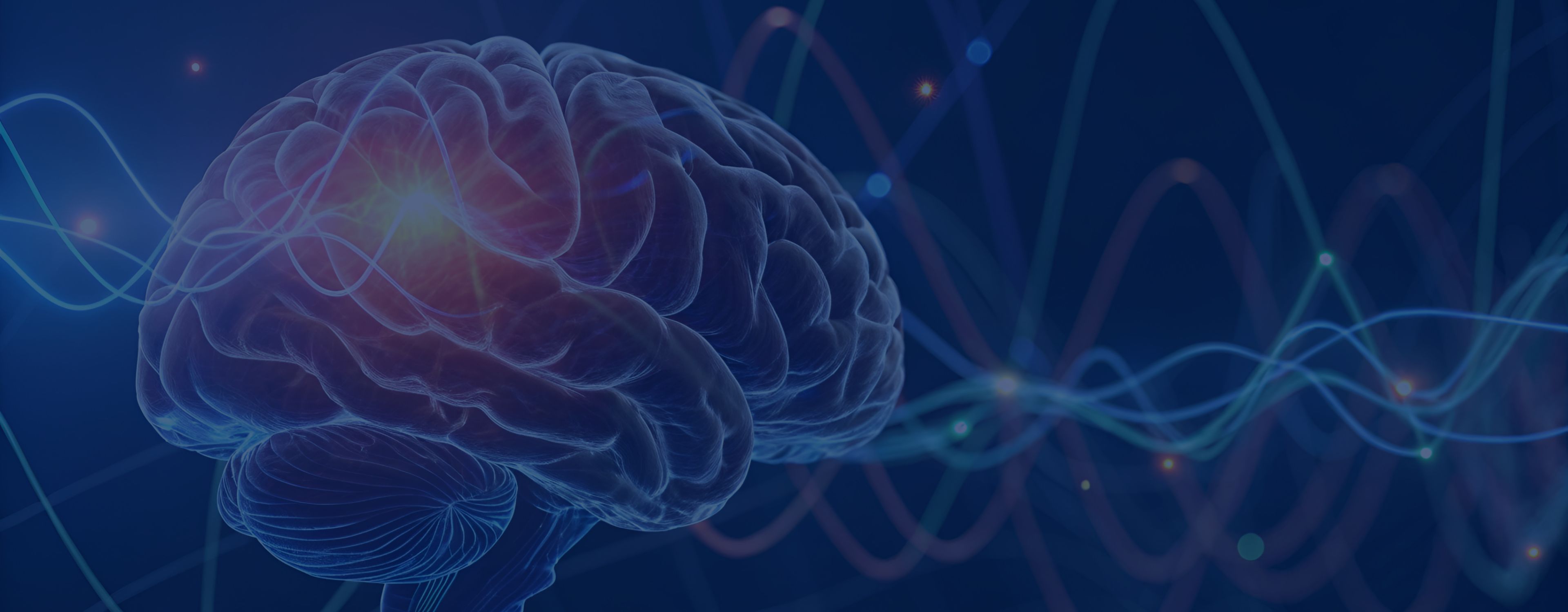
Your brain is flexible. It can change and reorganize itself through a process called neuroplasticity. Through real-time feedback, Neurofeedback helps your brain learn to create and maintain healthier patterns.
Brainwaves In
Your Daily Life
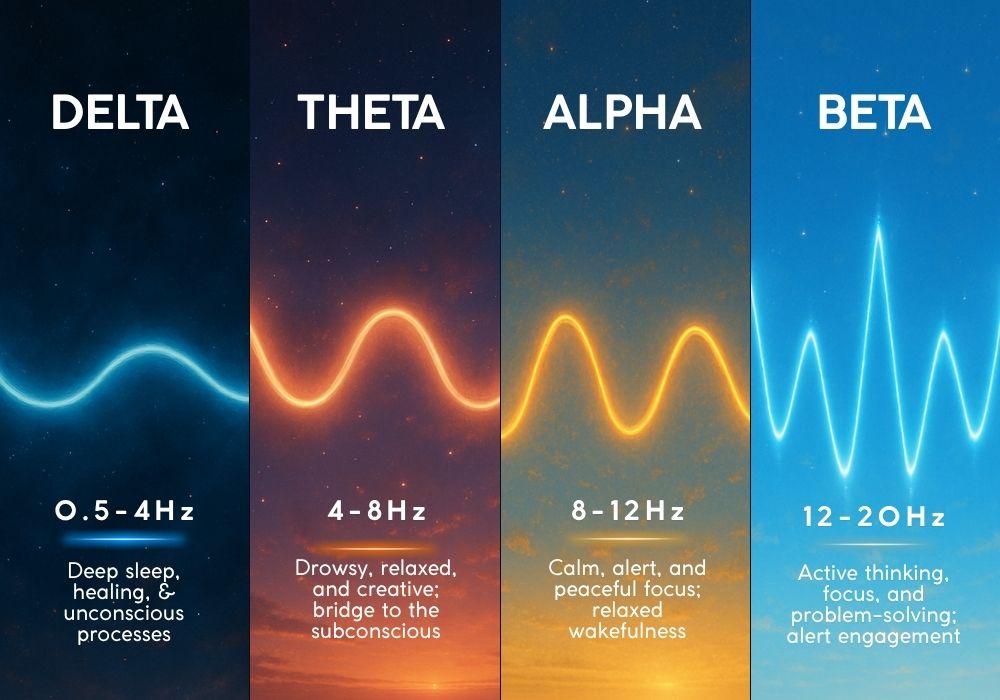
Your brain naturally shifts between different brainwave states throughout the day.
Each type of brainwave serves an important role: from helping you stay sharp at work, to relaxing with family, to getting deep, restorative sleep.
Neurofeedback doesn’t replace these states; it helps your brain transition smoothly between them when you need them most.
Delta: Deep
Sleep & Repair

Delta waves are the slowest brainwaves, linked to deep sleep, healing, and restoration. The body repairs itself, and the mind rests completely.
Too much delta when awake can cause grogginess or poor focus.
Theta:
Waking Creativity

Theta waves occur in light sleep, deep relaxation, and daydreaming.
They’re associated with creativity, memory, intuition, and emotional processing.
High theta while awake can lead to distractibility or zoning out.
Alpha:
Calm Awareness

Alpha waves appear when you’re calm, alert, and relaxed—like during meditation or after taking a deep breath.
It’s the bridge between thinking and resting, helping the brain reset and recharge.
Beta:
Alert Focus

Beta waves dominate when you’re focused, alert, and actively thinking.
They support problem-solving and decision-making, but too much beta can lead to stress or anxiety.









Assessment
Discover how your brain is working today
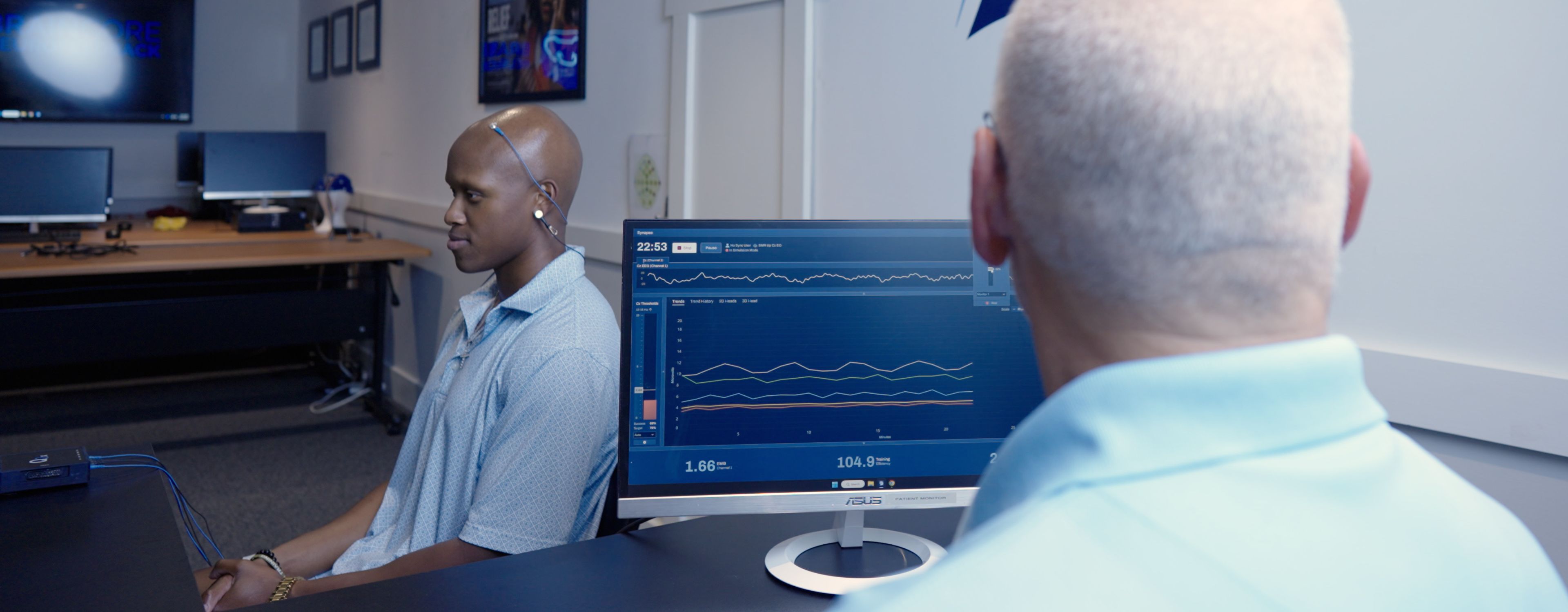
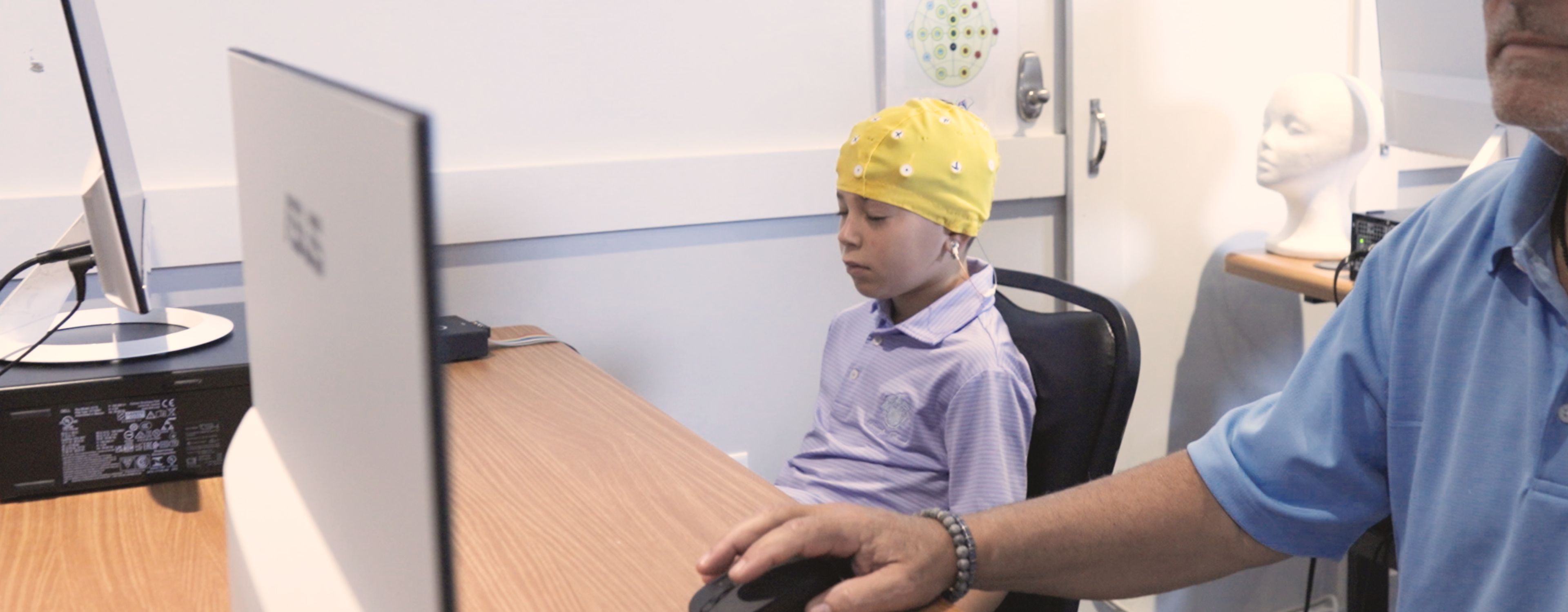
Your journey begins with a gentle brain map, called a qEEG assessment. Small sensors record your brain’s natural activity. The results create a visual map showing where your brain may be working too hard or not hard enough, giving us a clear picture of what’s happening beneath the surface.
A program designed specifically for your brain
Using your brain map, we create a customized neurofeedback plan built around your unique patterns and goals. This plan helps guide your brainwaves toward a healthier, more balanced state.
Real-time feedback that helps your brain learn
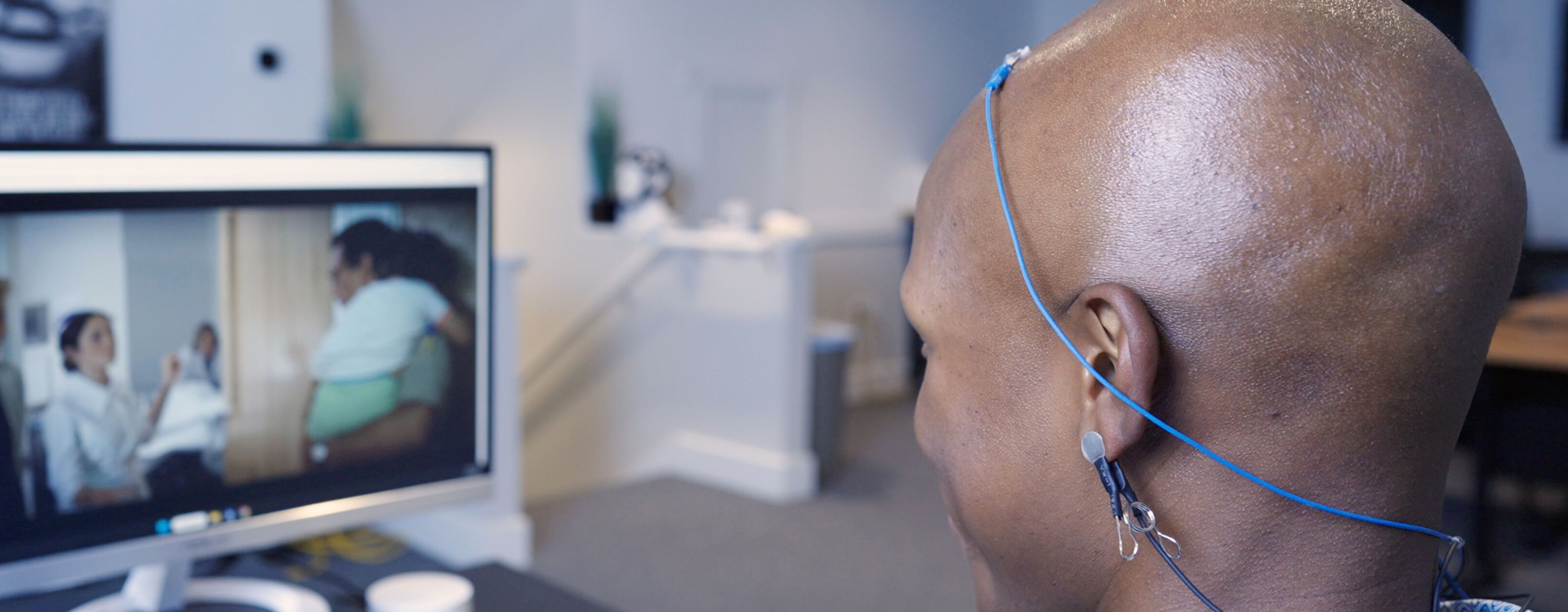
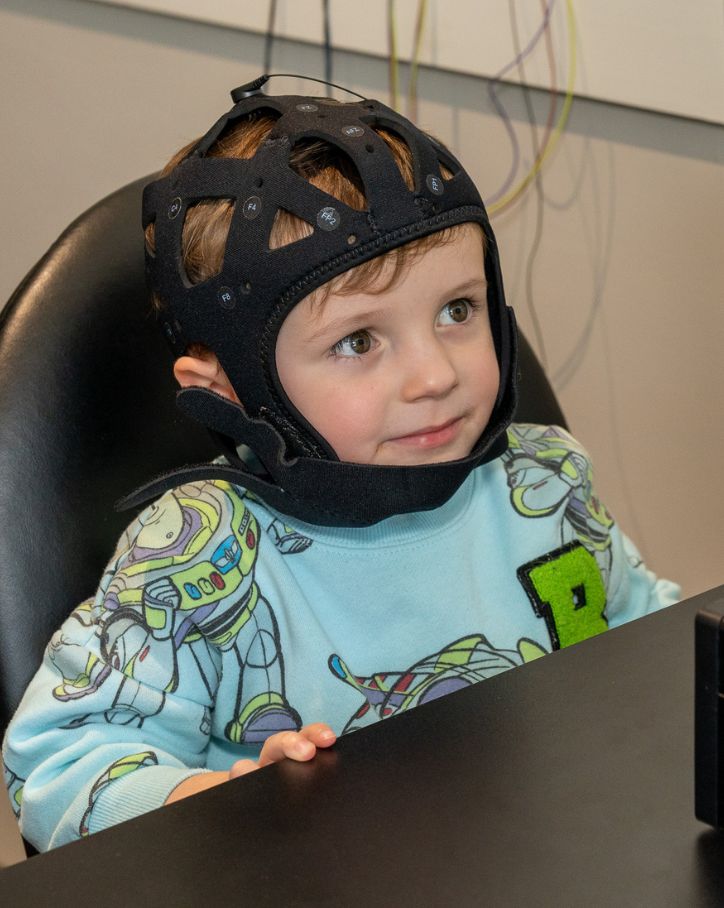
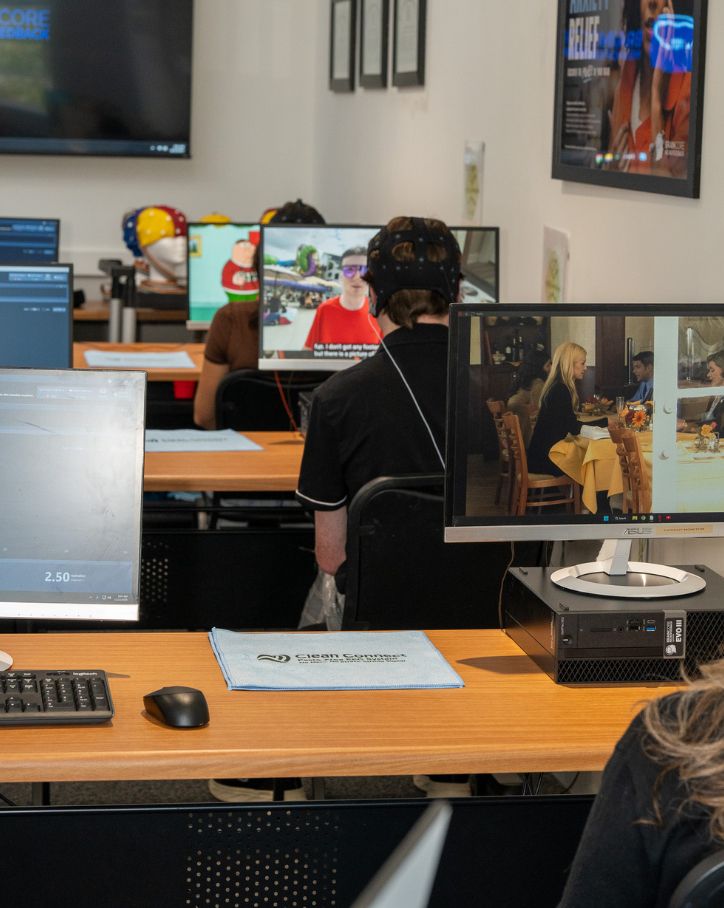
During each session, sensors monitor your brainwaves as you watch a movie or play a game. When your brain produces healthy patterns, the screen brightens or the sound improves—your brain instantly rewards itself for doing well, learning to stay in that balanced state naturally.
Strengthen the pathways that support your best self
Through repetition, your brain learns to maintain these healthier patterns on its own—much like building muscle through exercise. Over time, you may notice clearer focus, better sleep, improved mood, and a greater sense of calm that lasts well beyond your sessions.
Who Can Benefit from Neurofeedback?
Many professionals across disciplines trust BrainCore neurofeedback. Psychologists, physicians, therapists, and chiropractors use our systems to help clients sharpen focus, tame stress, stabilize mood, and restore balance after trauma or sleep issues.
BrainCore serves dual purposes: teaching self-regulation and wellness while enabling clinicians to address specific conditions within their scope of practice. The result? A powerful tool that supports both everyday wellness and targeted therapeutic interventions.
- Better sleep quality
- Reduced anxiety & stress
- Enhanced attention & focus
- Support for trauma/PTSD recovery
- Peak performance for athletes,
students, and professionals - Relief from headaches & migraines

.jpg)
80-90%
Safe, Scientific, Trusted