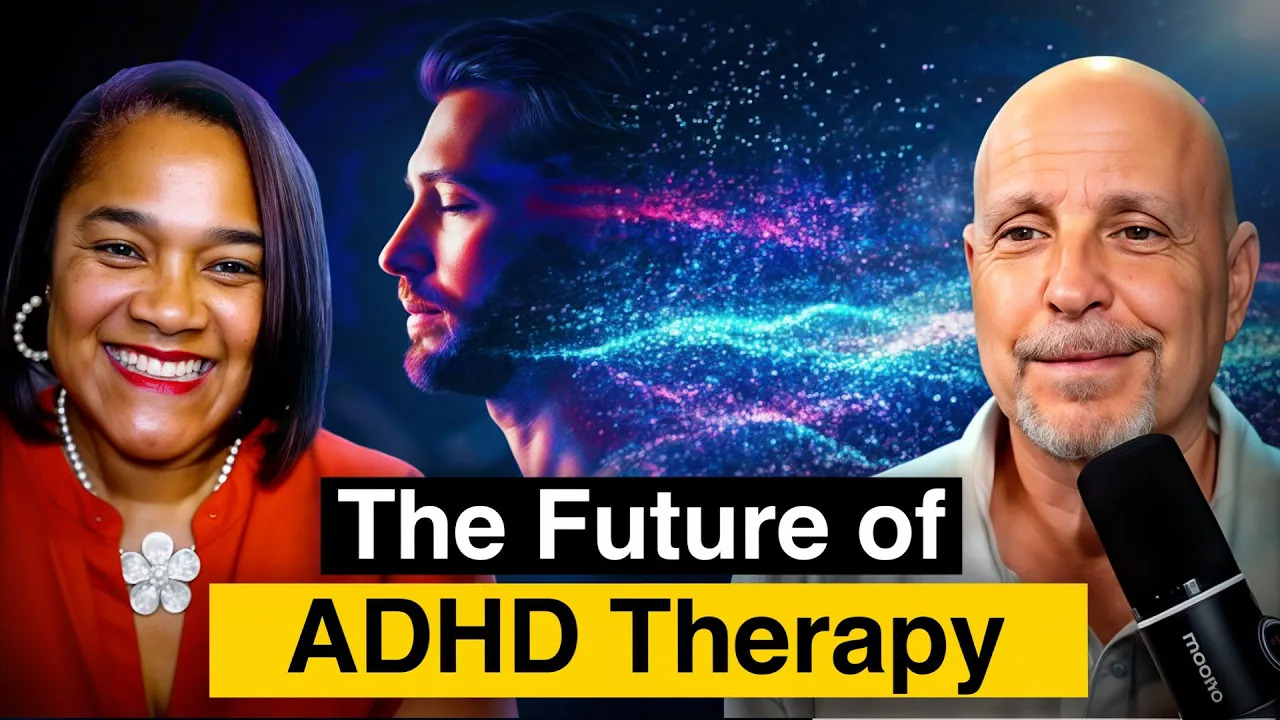
How Addiction Rewires the Brain — and How Neurofeedback Helps It Heal: A Conversation with Psychotherapist Gil Garza
When the brain learns a new way to function, life begins to open in ways you never imagined.
In this thought-provoking Real Brain Talk episode, Dr. Guy and Dr. Ken sit down with Gil Garza, a licensed psychotherapist, addiction specialist, and BrainCore provider serving the Austin, Texas region. Gil’s journey into neurofeedback began in the world of substance use treatment, where he saw firsthand how deeply addiction reshapes the brain — and how desperately people need tools that repair function rather than mask symptoms.
What unfolds is a refreshingly honest, compassionate discussion about trauma, personality development, behavioral patterns, and the real science behind helping people rebuild their lives. Gil’s insights remind us that healing isn’t about perfection — it’s about giving the brain a chance to learn new, healthier patterns.
Key Themes & Insights
A Counselor Who Didn’t Plan on Neurofeedback — Until Life Kept Pointing Him Toward It
Gil first encountered neurofeedback at a treatment center, where clients raved about “the Brain Program.” He was skeptical — until the universe nudged him again. He met another provider at a conference, made a phone call to Russell, and soon found himself scanning clients in the closet of his house.
From those humble beginnings grew a thriving practice where neurofeedback is now his primary service — not by design, but because clients kept finding him and sharing the results they were experiencing.
Addiction, Trauma, and Post-Acute Withdrawal — Why the Brain Needs Support
Gil explains that most people who come to him aren’t actively trying to get sober through neurofeedback. They have already begun the recovery process and are battling PAWS — Post-Acute Withdrawal Syndrome, a period where the brain feels like “your enemy,” generating intrusive thoughts and compulsions that sabotage healing.
Neurofeedback helps by strengthening the brain’s capacity for calm, stability, and separation from intrusive urges — especially with SMR and Alpha-Theta training. In safe environments like sober living, these protocols help individuals retrain their nervous systems and rebuild trust in their own minds.
Trauma Isn’t Always Loud — Sometimes It’s Invisible
Gil emphasizes that mental health symptoms rarely exist without stress. Trauma isn’t always dramatic; sometimes it’s embedded in parenting styles, inconsistent attachment, environmental instability, or even societal pressure.
He uses the idea of little-t and big-T trauma to help clients understand:
- some wounds come from chaos,
- others from disconnection,
- all of them shape how the brain adapts.
In his words, mental health is “a unique biological response to a unique environment.”
When Behavioral Patterns Outlast Emotional Healing
One of Gil’s most insightful observations is that neurofeedback regulates the brain — but behavior must still be addressed.
A child who learned to get attention through tantrums may continue those behaviors even when their brain is calmer. For neurofeedback to take root, the environment must shift too. Parents may need coaching, structure, and consistency.
Healing is a partnership between biology and environment — hardware and software, as Dr. Ken puts it.
A Remarkable Case of Change
Gil shares the story of an 11-year-old boy on a max dose of stimulant medication, with severe cognitive delays, poor coordination, enuresis, and social difficulties. Over 120 SMR sessions, he:
- came off all medications,
- gained two academic grade levels,
- began playing baseball,
- and stopped nightly bedwetting.
For the family, these changes were life-altering — and proof that with enough consistency and support, neuroplasticity can be astonishingly powerful.
Why People Are Turning Away from Medication Alone
Gil sees increasing numbers of adults wanting to step down from medication or avoid starting their children on them. Not because medication is “bad,” but because people want solutions, not band-aids.
Neurofeedback offers a path toward internal regulation — a way to teach the brain new habits rather than forcing it into temporary chemical states.
The Future of Mental Health — And Why Neurofeedback Will Lead It
Gil believes people are “hungry for answers,” seeking alternatives that address root causes instead of numbing symptoms. Dr. Guy and Dr. Ken echo this vision: neurofeedback is maturing into mainstream care, driven by research, real-world results, and the growing awareness that health requires participation, not passivity.
As Dr. Guy says, “Neurofeedback is training. It’s learning. People want to fix problems at their root, not cover them with a pill.”
Why This Episode Matters
This episode is a grounding dose of honesty and hope. It reminds us that:
- addictions are shaped by the brain’s attempts to adapt;
- trauma can be healed, even when deeply embedded;
- kids and adults can learn new emotional patterns;
- and neurofeedback gives people a way to reclaim their lives from the inside out.
Gil’s message is deeply encouraging: you don’t have to be perfect to heal — you just have to take the next step.

Related blogs
Explore the science, stories, and success behind BrainCore neurofeedback.